Two Fundamentally Different Solutions
Standby generators and portable generators both produce electrical power, but they serve very different purposes and suit very different situations. Understanding the core differences will help you choose the right solution for your needs — and avoid spending either too much or too little.
What is a Standby Generator?
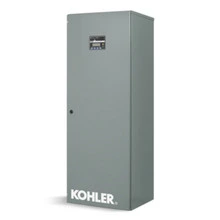
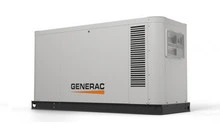
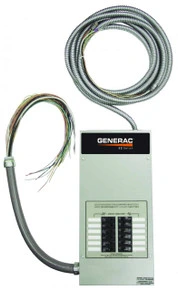
A standby generator is a permanently installed unit that sits on a concrete pad outside your home or facility. It connects directly to your electrical panel through an automatic transfer switch (ATS). When utility power fails, the ATS detects the outage and signals the generator to start — typically within 10–30 seconds. When utility power is restored, the ATS automatically transfers back and shuts down the generator.
Standby generators run on natural gas from your utility line or propane from an on-site tank. Because they connect to a continuous fuel supply, they can run indefinitely during extended outages. Typical sizes range from 7 kW for essential circuit backup to 150+ kW for commercial facilities.
What is a Portable Generator?
A portable generator is a wheeled or hand-carried unit that you start manually, typically with a pull cord or electric start button. You connect individual appliances via heavy-duty extension cords, or use a manual transfer switch for a more permanent connection to your electrical panel.
Portable generators run on gasoline, which means runtime is limited by fuel tank capacity — typically 8–12 hours at 50% load. You must manually refuel and restart. Typical sizes range from 1,000 watts (small inverter generators) to 12,000+ watts for construction-grade units.
Key Differences at a Glance
| Feature | Standby Generator | Portable Generator |
|---|---|---|
| Startup | Automatic (10–30 seconds) | Manual pull-cord or push-button |
| Installation | Permanent, professional installation required | No installation — plug and play |
| Fuel | Natural gas or propane (continuous supply) | Gasoline (manual refueling) |
| Power capacity | 7–150+ kW | 1–12 kW |
| Connection | Hardwired to electrical panel via ATS | Extension cords or manual transfer switch |
| Runtime | Indefinite (continuous fuel supply) | 8–12 hours per tank |
| Noise | 60–70 dB (enclosed) | 65–80 dB (open frame) |
| Maintenance | Weekly automatic exercise cycle | Manual maintenance required |
| Price range | $2,500–$35,000+ (plus $1,500–$5,000 installation) | $500–$4,000 |
When a Standby Generator is the Right Choice
- Medical equipment: If anyone in your household depends on powered medical devices (CPAP, oxygen concentrator, dialysis), automatic startup is critical
- Frequent outages: Areas with unreliable power benefit from automatic, hands-free operation
- Whole-home backup: If you need to power your entire home including central AC, a standby generator is the only practical option
- Business continuity: Commercial operations cannot afford the delay and manual intervention of a portable generator
- Extended outages: Hurricane zones, ice storm regions, and areas where outages last days to weeks need continuous fuel supply
- Home value: A properly installed standby generator adds 3–5% to home value and is a selling point in markets with unreliable power
When a Portable Generator Makes Sense
- Budget constraints: A quality portable generator costs $500–$2,000, compared to $4,000–$10,000+ installed for a standby unit
- Occasional use: If you only lose power once or twice a year for a few hours, a portable unit may be sufficient
- Job sites: Construction sites and outdoor events need portable, movable power
- Camping and recreation: Small inverter generators (2–3 kW) are ideal for RVs and camping
- Renters: If you don't own your property, a portable generator doesn't require permanent installation
Total Cost Comparison
A 22 kW Generac standby generator costs approximately $5,500 for the unit plus $2,500–$4,000 for professional installation (concrete pad, transfer switch, gas line, electrical connection, and permitting). Total: $8,000–$9,500.
A quality 7,500-watt portable generator costs $800–$1,500 with no installation costs. However, you'll need extension cords ($50–$100), a manual transfer switch if desired ($300–$500), and regular gasoline purchases.
Both options are available tax-free at GeneratorProDirect.com, with free freight on orders over $499.
Browse Both Options
- Standby Generators — 68 models from 7kW to 150kW+
- Portable Generators — 28 models from 1kW to 12kW+